Call Today (726) 207-9167
BOOK YOUR FREE FROZEN SHOULDER
CONSULTATION AND EXAM BELOW
For Any Questions or Assistance, call us at (726) 207-9167
Convenient Location: 3212 Napier Park, San Antonio, TX 78231
Why Choose Arthritis Relief & Vascular Centers?
At ARVCenters, we are dedicated to providing a new standard of care for patients seeking relief from pain and treatment for a range of complex health conditions. Our approach is founded on a simple yet powerful principle: you deserve personalized, compassionate care that leverages the most advanced medical innovations available. We don't just treat conditions; we care for the individual.
A Personalized Touch in Modern Medicine
We understand that every patient's journey is unique. That is why we reject a one-size-fits-all approach. Our team of dedicated, board-certified physicians and specialists takes the time to listen to your concerns, understand your health goals, and develop a tailored treatment plan that addresses the root cause of your condition. From your initial consultation to your final follow-up, you will experience a level of attentive and compassionate care that is often missing in modern healthcare. We are not just your providers; we are your partners in health.
Pioneering Advanced Vascular & Interventional Radiology and Pain Management Techniques
ARVCenters stands at the forefront of medical innovation, specializing in state-of-the-art, minimally invasive procedures that offer a powerful alternative to traditional surgery. Our specialists are leaders in the fields of interventional radiology and pain management, utilizing image-guided techniques to deliver precise, effective treatments. These advanced procedures, such as embolization, involve fewer risks, less pain, and significantly shorter recovery times compared to open surgery. By focusing on these innovative methods, we help you return to your life faster and with lasting relief.
Frequently Asked Questions About Shoulder Embolization
Question 1: Does the shoulder embolization procedure hurt?
The procedure itself is minimally painful. You'll receive local anesthesia at the access site (usually your wrist or arm), so you won't feel the needle insertion. During the procedure, you may experience mild discomfort or a warm sensation when the contrast dye is injected, but most patients describe it as very tolerable. Some patients report feeling their typical shoulder pain briefly during the procedure when the doctor identifies the correct blood vessels - this actually helps confirm they're treating the right area. After the procedure, you may have minor soreness at the access site, similar to having blood drawn.
Question 2: Am I sedated during the procedure?
Shoulder embolization is performed under conscious or "twilight" sedation - you remain awake and alert throughout the procedure, but you feel very at ease and relaxed. This is actually beneficial because your feedback helps the interventional radiologist identify the correct blood vessels to treat. The procedure is well-tolerated by patients using this type of sedation.
Question 3: How long does the shoulder embolization procedure take?
The entire procedure typically takes 1-2 hours from start to finish. The actual embolization portion usually takes 30-60 minutes, with additional time needed for preparation, imaging, and post-procedure monitoring. You'll be able to go home the same day - this is an outpatient procedure performed in one of our two state-of-the-art radiology suites and doesn't require an overnight hospital stay.
Question 4: Is shoulder embolization covered by insurance?
Most insurances typically cover shoulder embolization. We will perform a complimentary benefits check to ensure you are covered and will inform you of any out-of-pocket expenses. .
Question 5: How soon will I feel relief after the procedure?
Many patients begin experiencing pain relief within days to weeks after the procedure. Some notice improvement almost immediately, while others may take several weeks to feel the full benefits. The timeline varies because your body needs time to reduce the inflammation once the abnormal blood vessels are blocked. Most patients report significant improvement by 1-3 months after the procedure.
Question 6: What should I expect during recovery?
Recovery is typically very straightforward. You'll need to keep the access site (wrist or arm) dry for 24 hours and avoid heavy lifting with that arm for a few days. Most patients can return to normal daily activities within 48 hours. You may continue your regular shoulder exercises and physical therapy as tolerated.
Question 7: Are there any risks or side effects?
Shoulder embolization has an excellent safety profile. Serious complications are extremely rare. Minor side effects may include temporary bruising, mild itching, or temporary soreness at the access site. As with any medical procedure involving blood vessels, there's a very small risk of bleeding or infection, but these are uncommon.
Question 8: Am I a good candidate for shoulder embolization?
You may be a good candidate if you have frozen shoulder that has not responded adequately to conventional treatments such as physical therapy, steroid injections, or medications. The procedure is particularly effective for patients with refractory (treatment-resistant) frozen shoulder. Ideal candidates typically have had symptoms for several months and have tried at least 2-3 conventional treatments without lasting success. A consultation can help us determine if you're a good candidate.
Question 9: How is this different from surgery?
Unlike surgical procedures such as arthroscopic capsular release, shoulder embolization is even less invasive and doesn't require cutting into your shoulder joint. There's no lengthy recovery period. The procedure targets the root cause of inflammation through your blood vessels rather than mechanically breaking up scar tissue.
Question 10: Will I need multiple treatments?
Most patients require only one shoulder embolization procedure. The treatment is designed to block the abnormal blood vessels that are causing your inflammation and pain. Unlike steroid injections that may need to be repeated every few months, embolization typically provides long-lasting results with a single treatment session.
Question 11: What happens if the embolization doesn't work for me?
While shoulder embolization has very high success rates, every patient is unique. If you don't experience adequate improvement after 3-6 months, we can evaluate whether additional treatment is needed or consider a different approach. The procedure doesn't burn any bridges - you can still pursue other treatments if needed, though most patients find significant relief with embolization alone.
Meet Our Interventional Radiologists

Arthur S. Joseph, D.O., MPH
Board Certified Vascular & Interventional Radiology
Dr. Joseph is an accomplished Interventional Radiologist with a passion for delivering minimally invasive, image-guided procedures to improve patient outcomes. He is Board-Certified in Diagnostic and Interventional Radiology by the American Board of Radiology.
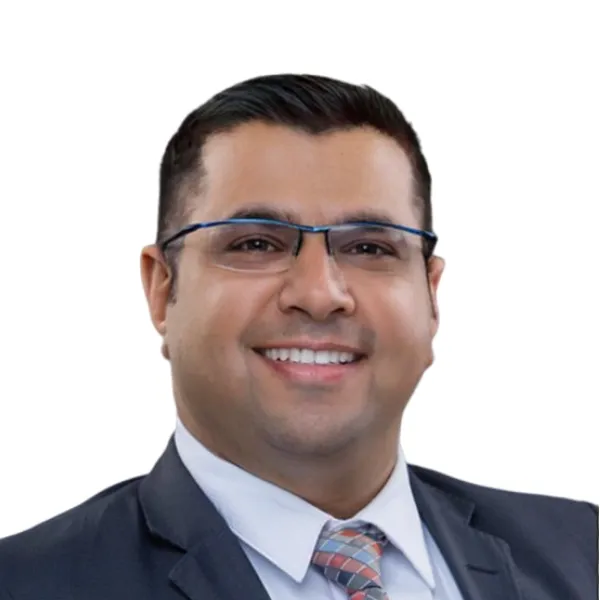
Samy A. Al-Bayati, M.D.
Board Certified Vascular & Interventional Radiology
Dr. Samy Al-Bayati is an accomplished physician with extensive experience in both Urology and Interventional Radiology. He currently serves as a faculty member at the University of Texas Health Science Center in San Antonio, Texas.
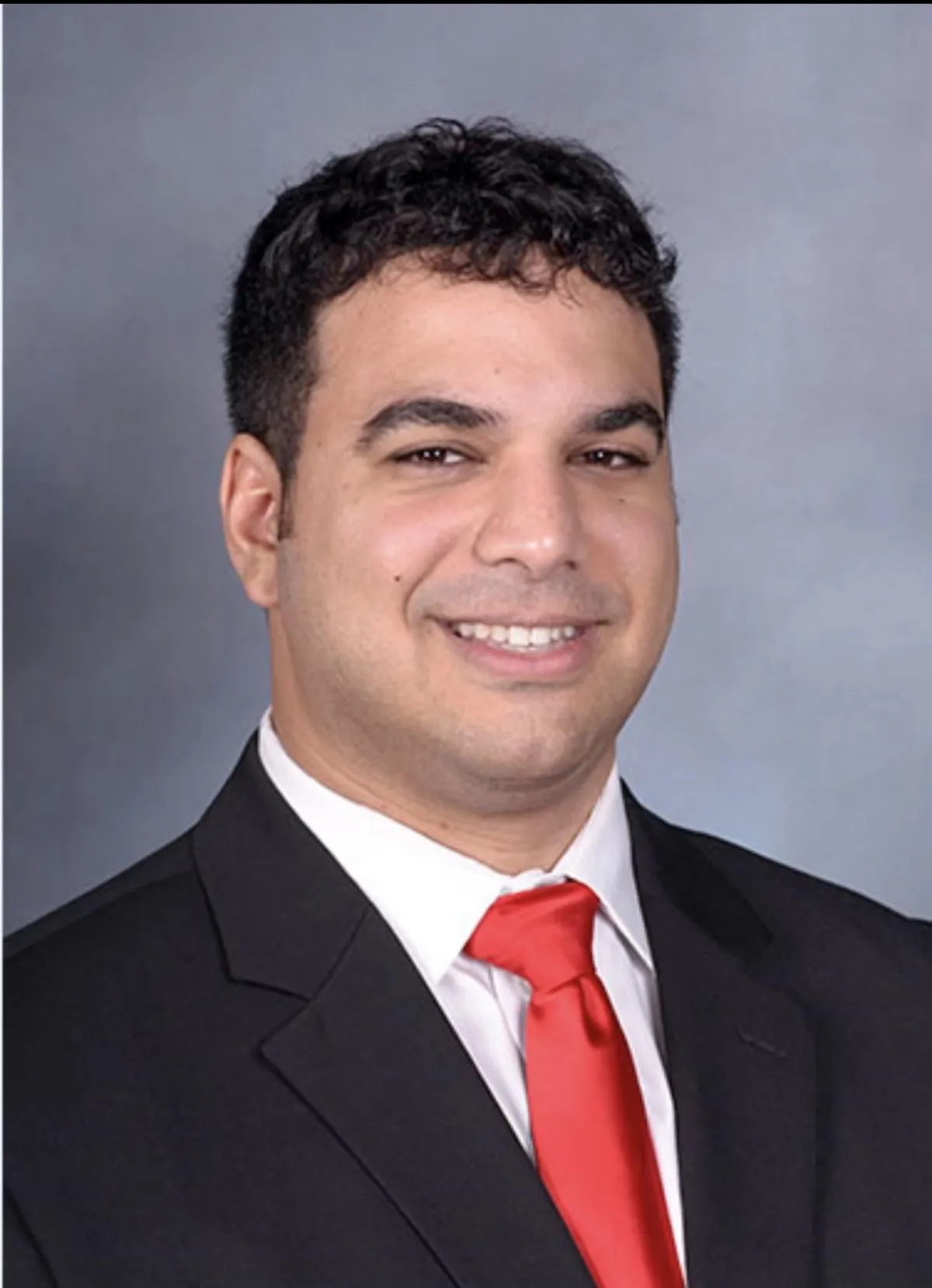
Ahmed A. Farag, M.D.
Board Certified Vascular & Interventional Radiology
Ahmed A. Farag, M.D. is a Board Certified Vascular & Interventional Radiologist. Dr. Farag grew up in Kentucky and attended the University of Louisville where he completed his Master’s Degree in Electrical Engineering prior to attending medical school also at the University of Louisville.
FOLLOW US


COMPANY
CUSTOMER CARE
Copyright 2026. Arthritis Relief & Vascular Centers. All Rights Reserved.